Bootcamp · Past
Professional Research Writing Bootcamp: 1-Week Practical Program
A one-week intensive, hands-on bootcamp focused on building practical research writing skills through guided training, interactive sessions, and personalized feedback — enabling participants to confidently produce structured, high-quality research papers.
Event Details
Event Type
Bootcamp
Status
Published
Location
Online Event
Registration Capacity
75 applications allowed
Selection Capacity
75 participants will be selected
Registered
14 applications received
Selected
14 / 75 selected
Available Selection Spots
61 selection spots available
Price (by audience)
- National: NPR 4000.00
- International: USD 300.00
- SAARC: USD 50.00
About This Event
Note The event date has been updated. It will start from 23 April 2026.
CAIR-Nepal invites an application to one week Research Writing Bootcamp. This intensive bootcamp is designed to equip participants with practical, real-world skills in academic and professional research writing. Through structured lectures, hands-on exercises, and guided mentorship, participants will learn how to develop strong research questions, organize their ideas effectively, and produce clear, well-structured research papers.
The program emphasizes active learning, practical assignments, and continuous feedback to help participants confidently draft, revise, and finalize research manuscripts. By the end of the week, each participant will have developed a structured research draft and strengthened their ability to write for academic, professional, and publication purposes.
All sessions will be conducted according to Nepal Standard Time (NST).
Applicants requesting scholarship support must indicate this in the ‘Are you able to fully commit to attending all sessions and completing assignments during the one-week program?’ section of the application form. Scholarship support is partial only (ranging upto 50%) and is intended for students who demonstrate both strong academic standing and financial hardship. Selected applicants will be required to submit official documentation verifying both academic performance and financial need after receiving their selection confirmation.
This is not a registration fee, but a meaningful contribution. Your support directly strengthens CAIR-Nepal’s research, innovation, and capacity-building initiatives.
What You Will Learn:
In this intensive 1-week bootcamp, participants will gain practical, hands-on skills to confidently design, write, refine, and submit high-quality research manuscripts. By the end of the program, you will be able to:
- Structure a complete research paper using the IMRAD (Introduction, Methods, Results, and Discussion) format
- Develop clear, focused, and impactful research questions, objectives, and hypotheses
- Conduct and organize an effective literature review aligned with your research goals Identify research gaps and position your study strategically
- Apply proper citation and referencing techniques using appropriate academic standards Improve academic writing clarity, coherence, and logical flow
- Develop publication-ready figures and tables
- Draft a journal-ready manuscript from introduction to conclusion
- Write a professional cover letter for journal submission
- Identify suitable journals and avoid predatory publishers
- Understand and apply research ethics and publishing standards
- Respond effectively and professionally to peer-review comments
Who Should Attend:
- Undergraduate and graduate students
- Early-career researchers
- Professionals preparing reports or academic papers
- Anyone interested in improving research writing skills
Only shortlisted applicants will receive a confirmation email. Please make the payment only after receiving confirmation.
Syllabus:
The detailed syllabus for the program is provided below. Please note that minor modifications may be made to the content and schedule to ensure the best learning experience for participants.
Day 1: Essentials of Research Writing
- Introduction to academic and scientific writing
- Structure of a research paper (IMRaD and beyond)
- Understanding the publication process
- Writing an effective cover letter for article submission
- Revising and strengthening the manuscript
- Understanding and handling rejection
- Journal and conference selection strategies
- Publishing best practices
Hands-on Exercises & Assignment
- Draft an outline of the participant’s own manuscript
- Analyze the structure of a published research paper
Day 2: Research Ethics & Best Practices
- Importance of ethics in research and publishing
- Ethical publishing practices
- Understanding and avoiding plagiarism
- Authorship ethics and contribution criteria
- Ethics involving human and animal subjects
- Maintaining research integrity and transparency
- Responsible data management and reporting
Ethics Exercise & Assignment: Case-based discussion
Day 3: Literature Review & Manuscript Development
- Purpose and structure of the literature review
- Finding relevant research papers
- Effective strategies for reading research papers
- Identifying research gaps
- Referencing and citation management tools
- Drafting the literature review section
Hands-on Exercises & Assignment
- Analyze sample literature reviews to identify strengths and weaknesses
- Formulate a clear research gap statement based on reviewed literature
- Draft and refine the literature review section for participants’ own manuscript
- Peer review and structured feedback on drafted sections
Day 4: Research Data Visualization
- Understanding research data visualization
- Importance of visualization in research communication
- Selecting appropriate chart and graph types
- Data visualization best practices
- Improving figures and tables for publication
Hands-on Exercises & Assignment
- Evaluate sample figures and identify common weaknesses
- Redesign one poorly constructed figure using best practices
- Develop publication-ready figures or tables using participants’ own data
- Write clear and concise figure captions suitable for journal submission
- Peer feedback and refinement of visualizations
Day 5: Writing Core Sections
- Writing a strong introduction
- Structuring the methodology section
- Writing clear and concise results
- Developing a critical and well-supported discussion
- Writing conclusions, limitations, and implications
Hands-on Exercises & Assignment
- Draft the Introduction section, clearly articulating background, gap, and objectives
- Write a structured and reproducible Methodology section
- Refine the Results section for clarity, logical flow, and alignment with figures/tables
- Develop a Discussion section linking findings to existing literature
- Clearly articulate study limitations and practical/theoretical implications
- Peer review and structured feedback on drafted core sections
Day 6: Publication Strategy & Manuscript Finalization
- Selecting an appropriate journal or conference
- Preparing the manuscript according to author guidelines
- Drafting the cover letter
- Responding to peer-review comments
- Revision and resubmission strategy
- Final manuscript refinement
Hands-on Exercises & Assignment
- Identify and justify one suitable target journal for the participant’s manuscript
- Draft a professional cover letter tailored to the selected journal
- Analyze simulated reviewer comments and prepare a structured response letter
- Revise selected sections of the manuscript based on reviewer feedback
- Prepare a final submission checklist aligned with journal guidelines
Day 7: Final Manuscript & Presentations
- Student presentation of bootcamp-developed manuscript
- Expert feedback and refinement guidance
- Submission planning and next steps
Featured Speakers
Click a speaker to view full details.
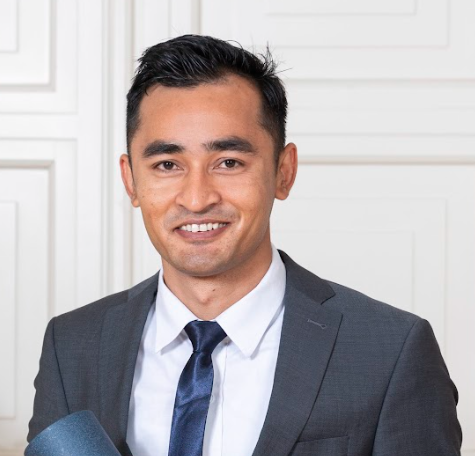
Dr. Tek Raj Chhetri
Founder & Director
CAIR-Nepal
Dr. Tek Raj Chhetri is a postdoctoral associate at the Massachusetts Institute of Technology and the founder and director of CAIR-Nepal. Dr. Chhetri's work spans several vital domains, including artificial intelligence (AI), semantic web, data …
Registration Information
Fee:
- National: NPR 4000.00
- International: USD 300.00
- SAARC: USD 50.00
Capacity: 75 participants
Available: 61 spots left