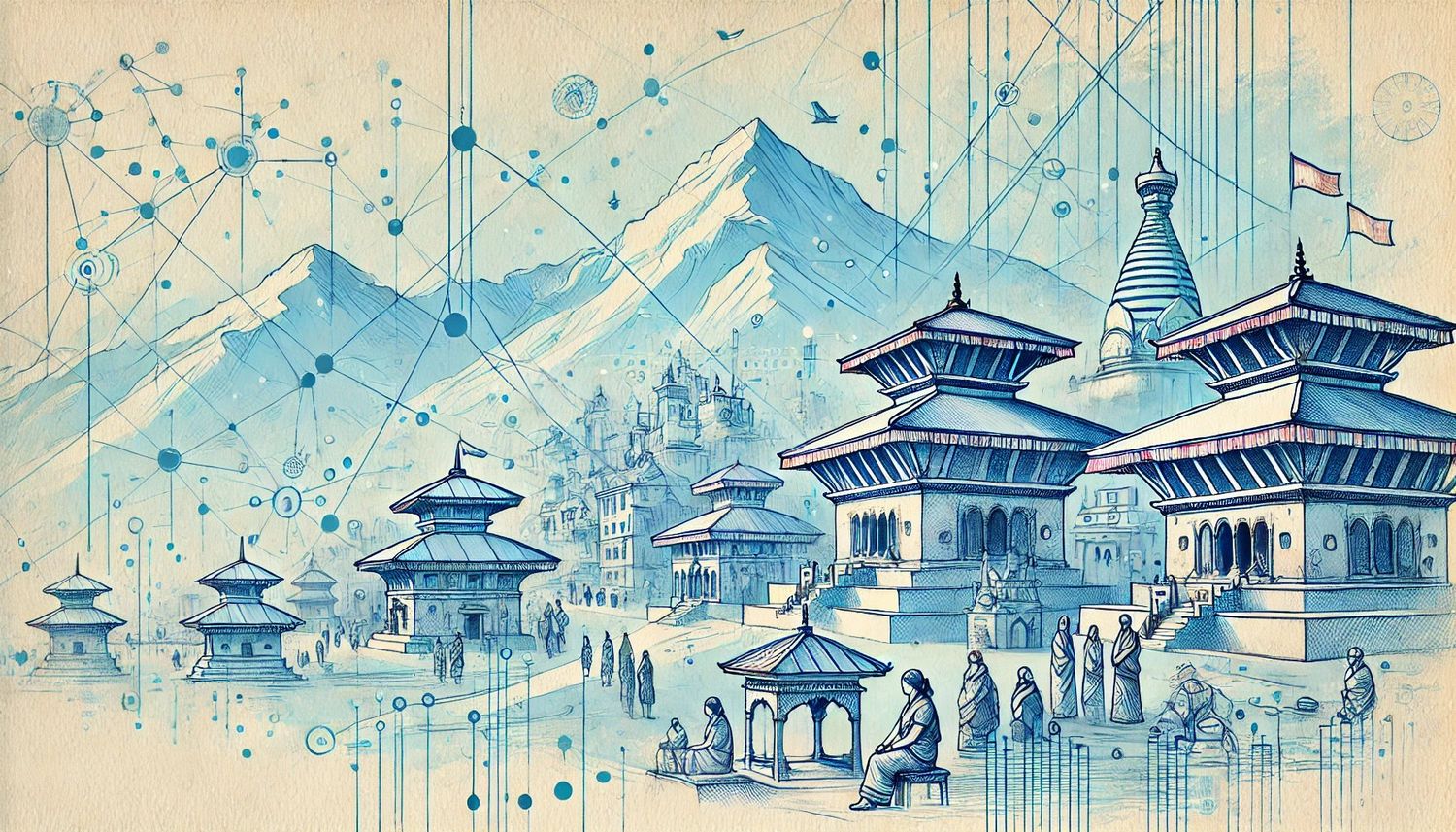
Cultural heritage embodies the collective memory, identity, and wisdom of humanity, thereby influencing our present and future and providing invaluable insights into our shared past. It is essential to digitize cultural heritage in order to guarantee its accessibility, preservation, and ongoing significance in the digital age. Through the process of digitizing artifacts, documents, and traditions, we effectively protect them from physical degradation and loss. Additionally, this democratizes access to invaluable cultural assets, allowing for greater engagement and education from a wider audience. In addition, digitalization enables the advancement of interdisciplinary research, collaboration, and innovation, thereby providing novel opportunities to comprehend and interpret our cultural heritage. By digitizing cultural heritage, its fundamental nature is safeguarded for future generations, cultural comprehension and exchange is promoted, and present and future generations are enabled to reconnect with their origins and chart new courses.
In this project, we aim to digitalize the cultural heritage (or cultural heritage-related information) using knowledge graphs (KGs). KGs allow complex information to be captured in a format that is both machine-readable and human-comprehensible. Furthermore, KGs provide a powerful visual representation of interconnected concepts, entities, and relationships, enabling meaningful insights derived from disparate data sources.
This project focuses on developing a machine-processable knowledge representation of cultural heritage, with Nepalese cultural heritage serving as the primary use case.
We would also like to acknowledge the support of the AWS Open Data Sponsorship Program, which enables us to host and make the HeritageGraph data openly accessible.
Link:
- UI: https://heritagegraph.cair-nepal.org
- Ontology: https://cairnepal.github.io/heritagegraphontology
Persons Involved:
- Nabin Oli – Lead Developer and Researcher
- Niraj Karki – Co-Lead Developer and Researcher
- Semih Yumusak – Researcher; contributed to development and code review
- Tek Raj Chhetri – Supervisor